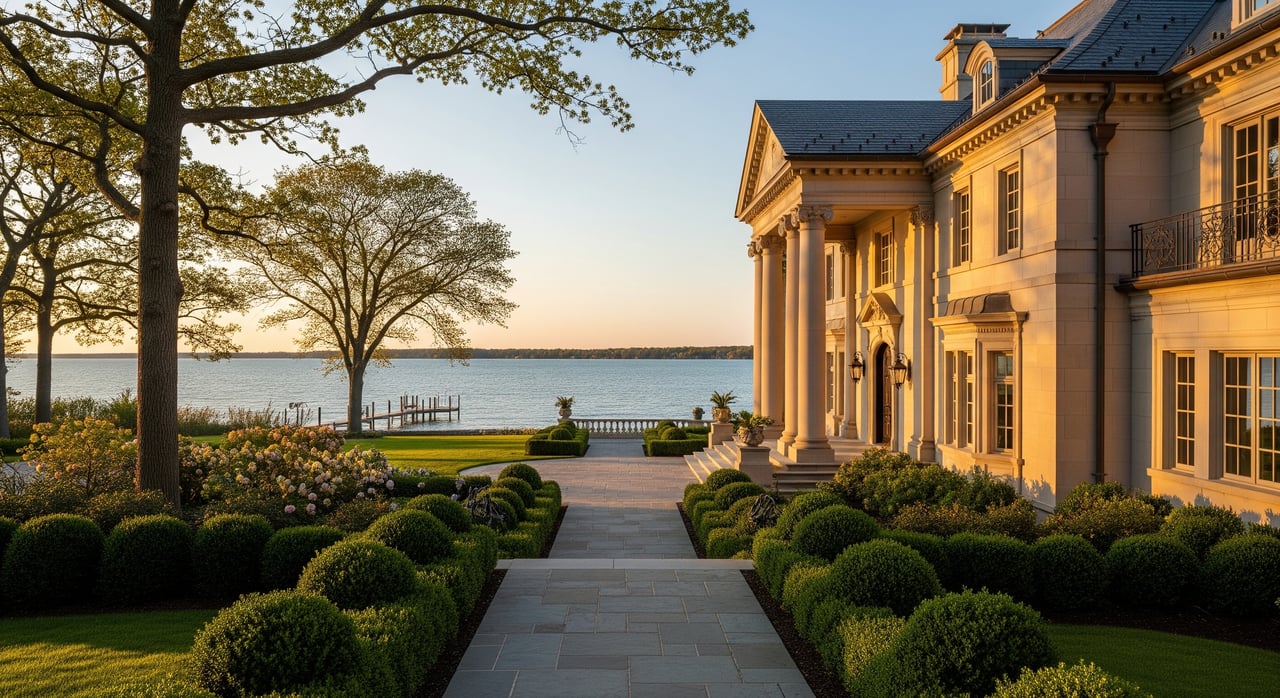
Thinking about a North Shore move but not sure where to start? Lake Forest blends lakefront beauty, classic architecture, and a welcoming downtown with practical access to Chicago. If you are weighing schools, commute, housing types, and everyday lifestyle, this guide gives you a clear, no‑stress overview. You will learn what to expect from the housing stock, how people get around, where to find parks and services, and how to plan your move with confidence. Let’s dive in.
Why Lake Forest stands out
Lake Forest sits along Lake Michigan in Lake County, just north of Chicago. With a population around 19,000, it feels residential and refined without losing a small‑town rhythm. You will find historic homes on tree‑lined streets, lakefront parks, and a compact downtown known as Market Square. Local anchors like Lake Forest College and Lake Forest Academy add energy, programming, and year‑round community activity.
Housing at a glance
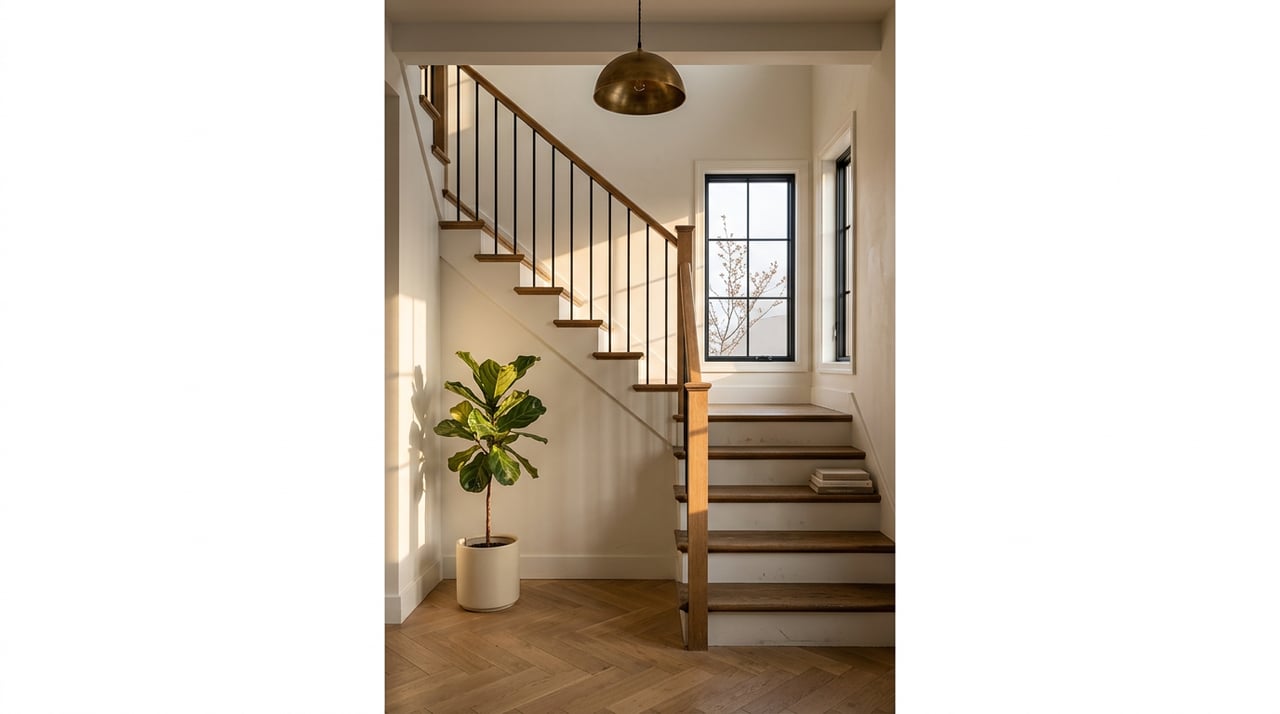
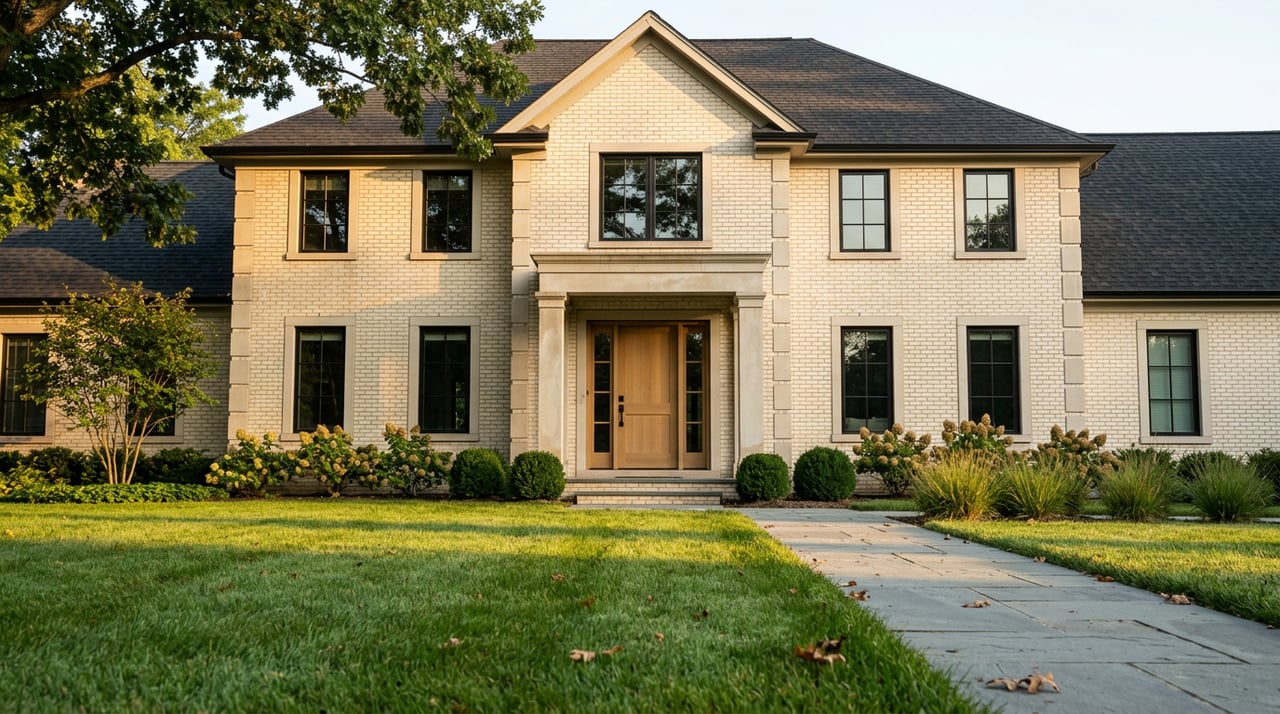
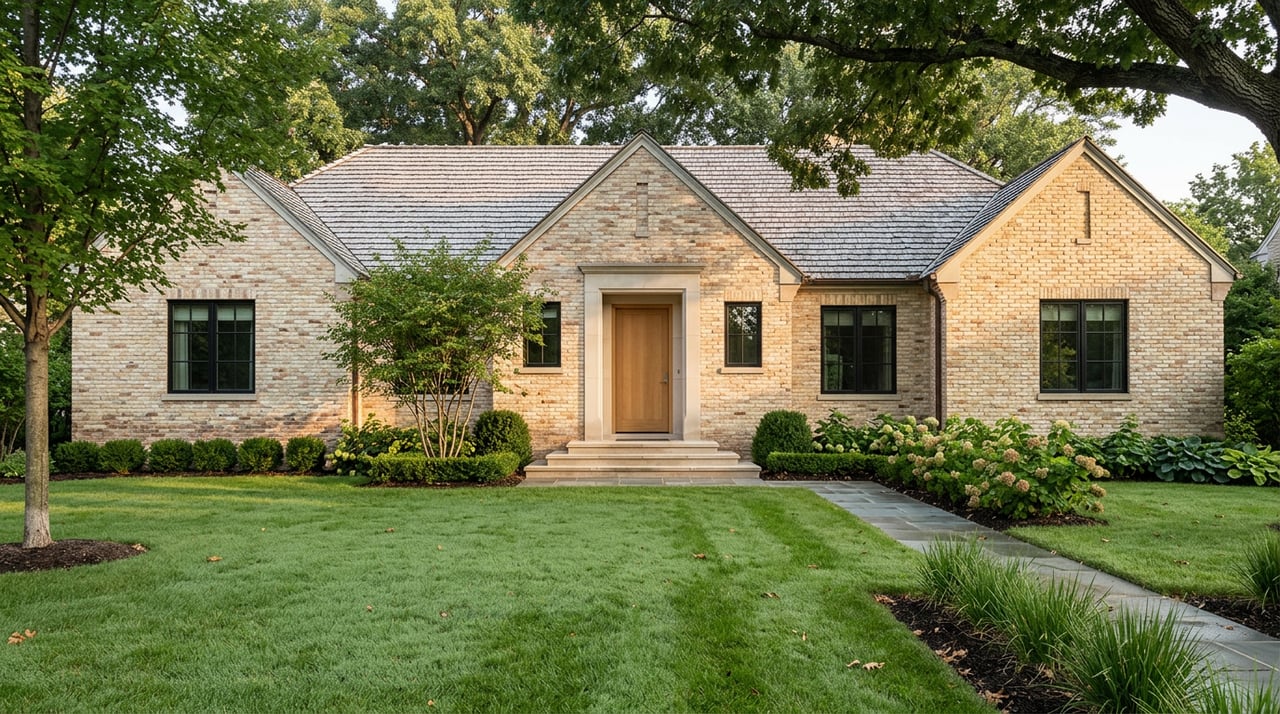
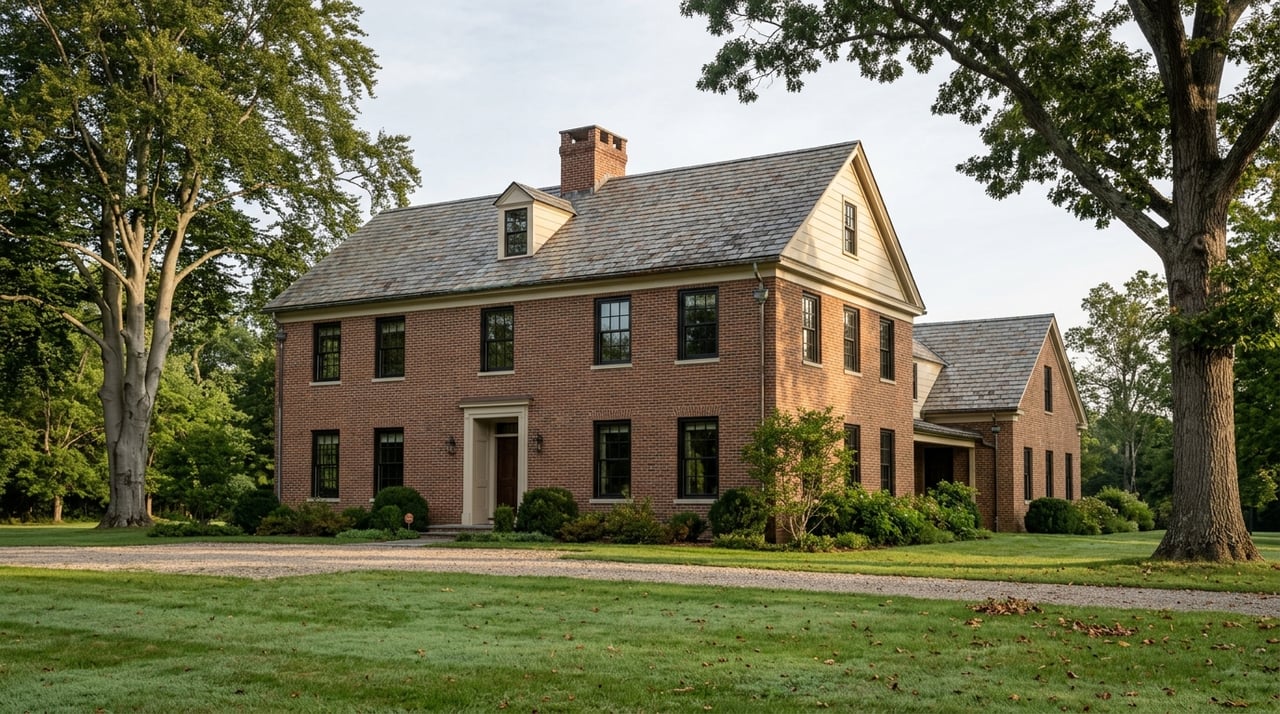
Lake Forest’s housing is known for its character and range. The majority of homes are single‑family, from early 20th‑century classics to mid‑century ranches and newer custom builds. You will also find condos and townhomes near Market Square and transit corridors, though multifamily inventory is limited compared to single‑family options.
Home styles you’ll see
- Historic estates and mansions with Colonial, Tudor, and Georgian influences near the lake and along bluff streets.
- Mid‑size single‑family homes in established neighborhoods with mature trees and private yards.
- Newer custom homes and thoughtful infill on subdivided lots.
- Condos and townhomes clustered closer to downtown for added convenience and lower maintenance.
What price bands typically mean
- Condos and smaller single‑family homes: Limited supply, often the most approachable entry points.
- Mid to larger single‑family homes: Wide range reflecting lot size, age, architectural pedigree, updates, and proximity to the lake and schools.
- Premium estates: Multi‑million‑dollar properties, especially fully renovated historic homes and lakefront estates on larger parcels.
Prices vary by neighborhood, home age, lot size, and renovation level. The North Shore often shows a broad spread based on lake access and historical significance. If you are comparing across towns, focus on true apples‑to‑apples comps within the same school areas and micro‑neighborhoods.
Neighborhoods and everyday living
Market Square and downtown
Market Square forms the heart of downtown Lake Forest. You can enjoy dining, small shops, services, and seasonal community events. Many buyers who prefer a walkable routine target condos, townhomes, or single‑family homes within a short distance of the square.
Lakefront and open space
Lake Forest offers beaches and lakefront parks that invite swimming in season, boating, and scenic walks. The community values open space, with local preserves and trails managed by municipal and nonprofit groups. You can spend weekends on the water, in the woods, or at neighborhood fields and courts.
Healthcare, shopping, and culture
Northwestern Medicine Lake Forest Hospital serves the area with a modern campus. Groceries, errands, and larger retail are available in town and in nearby North Shore communities. Cultural life spans local arts events, college programming, and easy access to regional venues throughout the North Shore.
Schools and education basics
Public schools are a major draw. Elementary and middle schools feed through Lake Forest School District 67, and Lake Forest High School is in District 115. Families also consider private options, including Lake Forest Academy and other regional schools. Because programs and performance can evolve, review current district websites, Illinois State Board of Education report cards, and independent profiles to understand offerings that fit your student’s needs.
Getting around: trains, roads, and airports
Metra to Chicago
Metra’s Union Pacific North line serves Lake Forest, taking commuters to downtown Chicago. Schedules vary by local and express trains, so it helps to match your train times to your workday. If you plan to park at the station, confirm parking availability before you make an offer on a home.
Driving routes
I‑94 and U.S. 41 provide regional north–south access. Drive times to downtown Chicago change with rush‑hour traffic and weather. If driving is part of your routine, test your route during typical commute windows.
Airport options
O’Hare International is the closest major hub for most residents, with Midway as a secondary option. Some residents in the far north suburbs also use Milwaukee Mitchell, depending on destination and schedule.
What to budget beyond list price
Illinois property taxes are generally high compared to many states, and Lake Forest is no exception. Plan for annual taxes, homeowner’s insurance, utilities, and any association fees if you buy a condo or townhome. Older historic homes can involve more maintenance, while newer construction may reduce near‑term system upgrades. If you expect to renovate, explore potential design review or historic requirements early so timelines and costs are realistic.
Timing your move and reading the market
North Shore markets like Lake Forest tend to be steady over time, with seasonal peaks. Spring is often the busiest listing and buying season. When inventory is tight, well‑priced homes near schools and the lake can see faster activity. That said, quality listings sell year‑round when pricing and presentation align. Watch for signals like median sale price, days on market, and months of supply to gauge conditions by neighborhood and price band.
Renovation, permits, and historic review
Lake Forest has historic districts and a strong architectural identity. If you plan additions or exterior changes, you may need approvals through village design or historic preservation reviews. Zoning, setbacks, and tree preservation can influence both buildability and timelines. Before you finalize a purchase, confirm what is allowed on the lot so your long‑term plans hold.
Step‑by‑step relocation checklist
Before you start touring
- Define your must‑haves: school preferences, commute tolerance, lot size, renovation appetite, and budget.
- Review recent comparable sales and inventory for your target micro‑neighborhoods.
- Visit in‑season and off‑season to understand traffic, school drop‑off patterns, and weekend rhythms.
- Contact District 67 and District 115 to confirm boundaries, programs, and enrollment steps.
- Check the property tax history and any exemptions with Lake County.
- If you plan to renovate, review village guidelines for historic districts and exterior design.
When you are ready to make an offer
- Get pre‑approved with a reputable lender so you can move quickly.
- Align terms with local norms for inspections, appraisals, and closing timelines.
- If you will rely on Metra, confirm station parking and express train timing before finalizing your bid.
- Order inspections tailored to the property type, especially for older systems and structures.
After you close
- Set up utilities, garbage, recycling, and snow‑removal schedules with the Village of Lake Forest.
- Connect with your HOA or neighborhood association if applicable.
- Plan long‑term maintenance and phased improvements, especially for historic or larger properties.
Is Lake Forest the right fit for you?
If you want a lakefront North Shore lifestyle with classic architecture, strong civic institutions, and a workable commute, Lake Forest should be on your shortlist. You can choose between quiet residential streets, walkable downtown living, or grand estates near the water. The key is to match home style and location to your budget, school needs, and daily routine.
When you are ready to compare neighborhoods, tour homes, or prep a property for market, work with a local advisor who understands the details that drive value here. For personal guidance and a tailored plan, connect with Sondra Douglass.
FAQs
What should I know about commuting from Lake Forest to Chicago?
- Metra’s Union Pacific North line provides direct service to downtown; drive times on I‑94 or U.S. 41 vary widely with rush hour and weather, so test your route during typical commute windows.
How do public schools in Lake Forest work for new families?
- Elementary and middle schools are in District 67, and high school is in District 115; review current district resources and state report cards to confirm programs, boundaries, and enrollment steps.
Are there public beaches and lake access in Lake Forest?
- Yes, the city maintains lakefront parks and seasonal beach access; review local rules for parking, permits, and seasonal hours before your first visit.
What should I expect for property taxes in Lake Forest?
- Illinois property taxes are generally higher than many states; check the Lake County Assessor and Treasurer for parcel‑specific history and potential exemptions.
Do historic rules affect renovations or additions in Lake Forest?
- Some areas fall under historic or design review; confirm requirements with the village early to understand what is allowed and how long approvals may take.
Is the Lake Forest real estate market competitive right now?
- Competitiveness varies by neighborhood and price segment; homes near key amenities or the lake tend to move faster when inventory is tight, so track local days on market and supply trends.