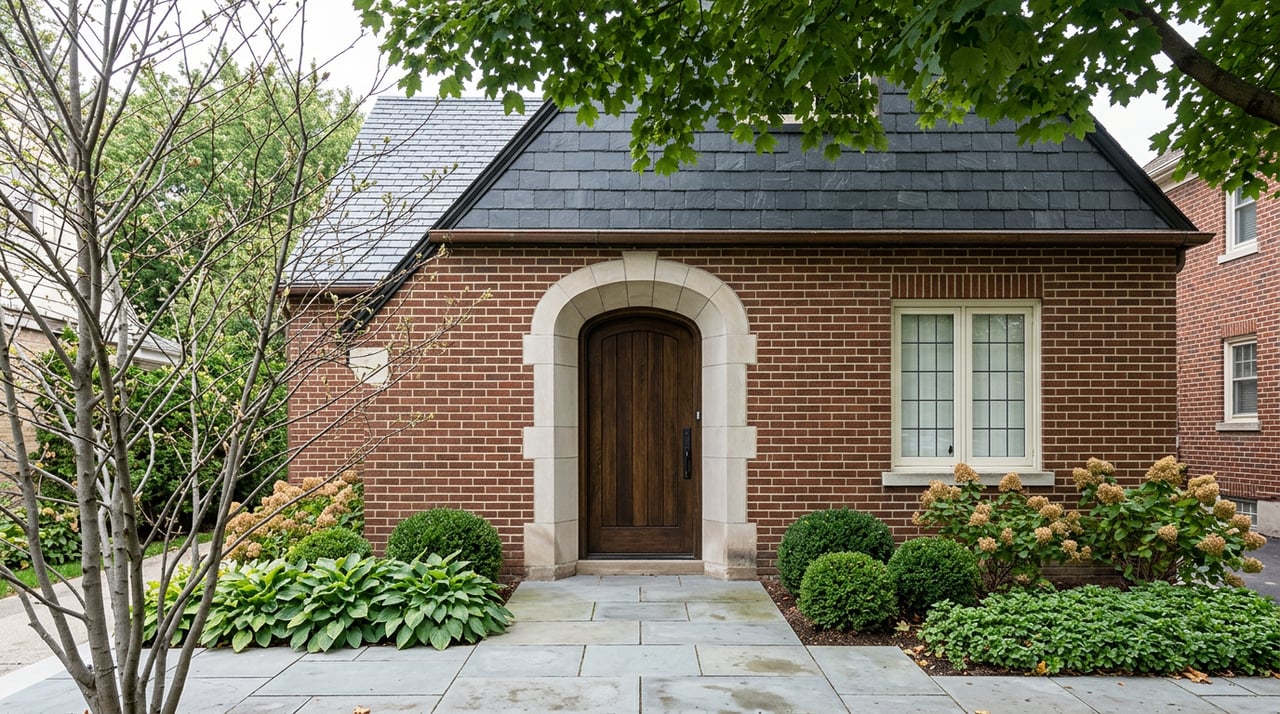
What draws you to a Highland Park home at first glance, the sweeping rooflines or the light through a wall of windows? In this North Shore city, architecture is part of everyday life, from early estates to modern treehouse‑like builds. If you understand the styles, you can shop, renovate, or sell with confidence. This guide highlights the key Highland Park home styles, where you tend to find them, and what each means for your lifestyle and maintenance. Let’s dive in.
Why Highland Park architecture stands out
Highland Park’s streets read like a timeline of American residential design. A citywide architectural survey documents late 19th‑century Victorian beginnings, early 20th‑century revival homes, the Prairie School era, and a strong collection of mid‑century and later custom infill. You will see many Colonial Revival and Tudor Revival façades across core neighborhoods.
The North Shore estate period also left its mark. Frank Lloyd Wright’s Ward W. Willits House is a landmark early Prairie School design, and its horizontal lines and deep eaves set a tone you will spot in other local works. Several National Register districts, including the Linden Park Place–Belle Avenue Historic District, preserve this range in a walkable area.
Tudor Revival
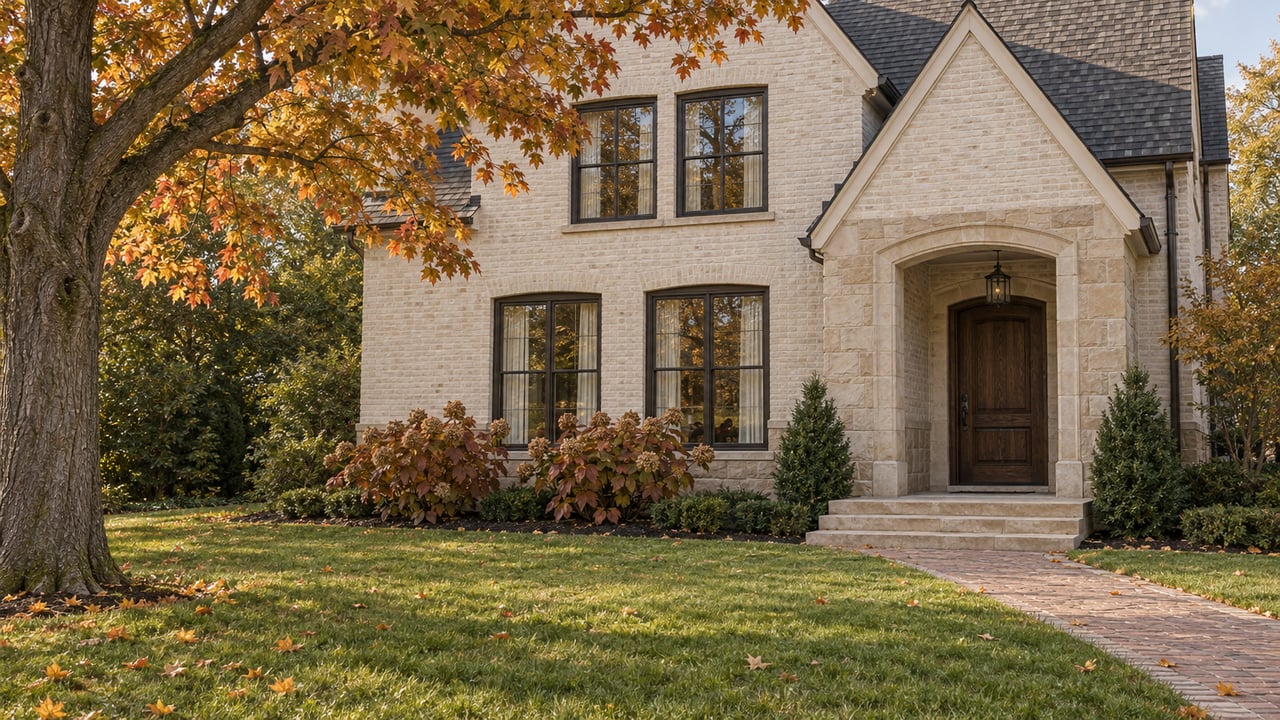
Tudor Revival is easy to recognize. Steep gables, brick or stone with stucco, decorative half‑timbering, tall narrow windows, and prominent chimneys are classic Tudor Revival hallmarks. In Highland Park, survey work notes many Tudor examples throughout established blocks.
You may be drawn to this style if you love storybook curb appeal, fireplaces, and formal rooms. Plan for higher roof and window maintenance, and know that older Tudors can be more compartmentalized. If you want a more open plan, budget for a sensitive renovation.
Colonial Revival
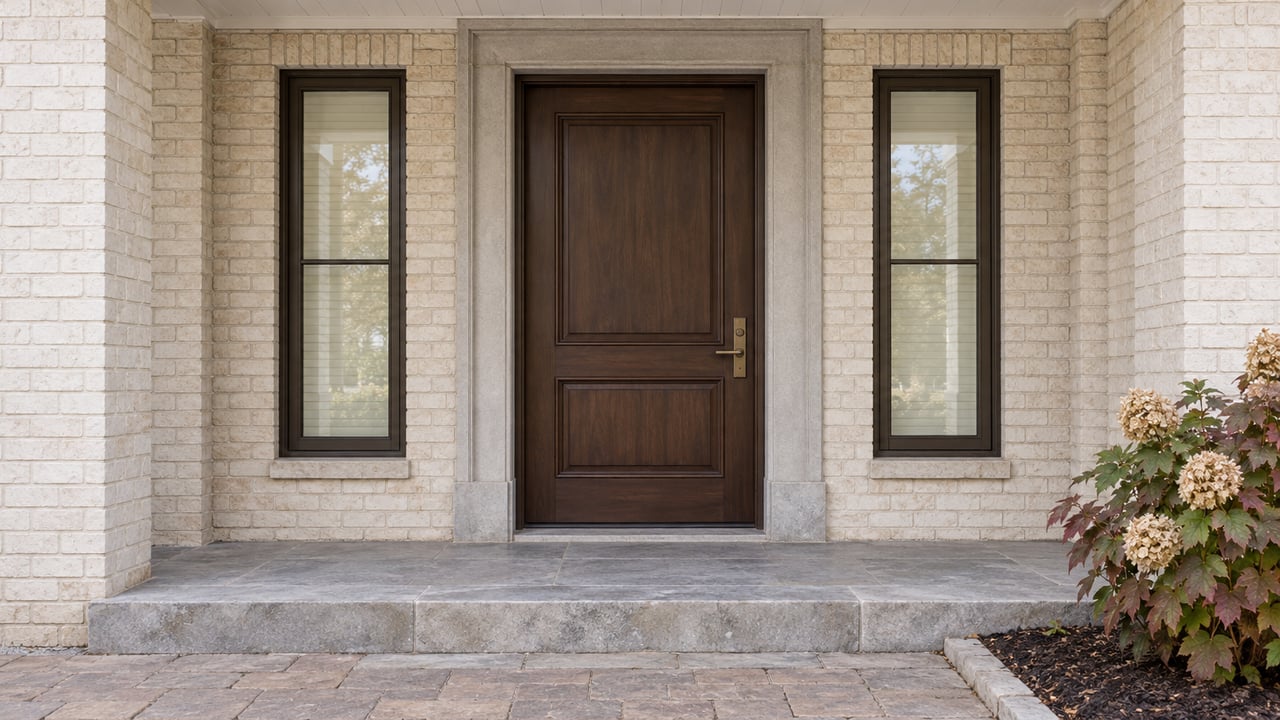
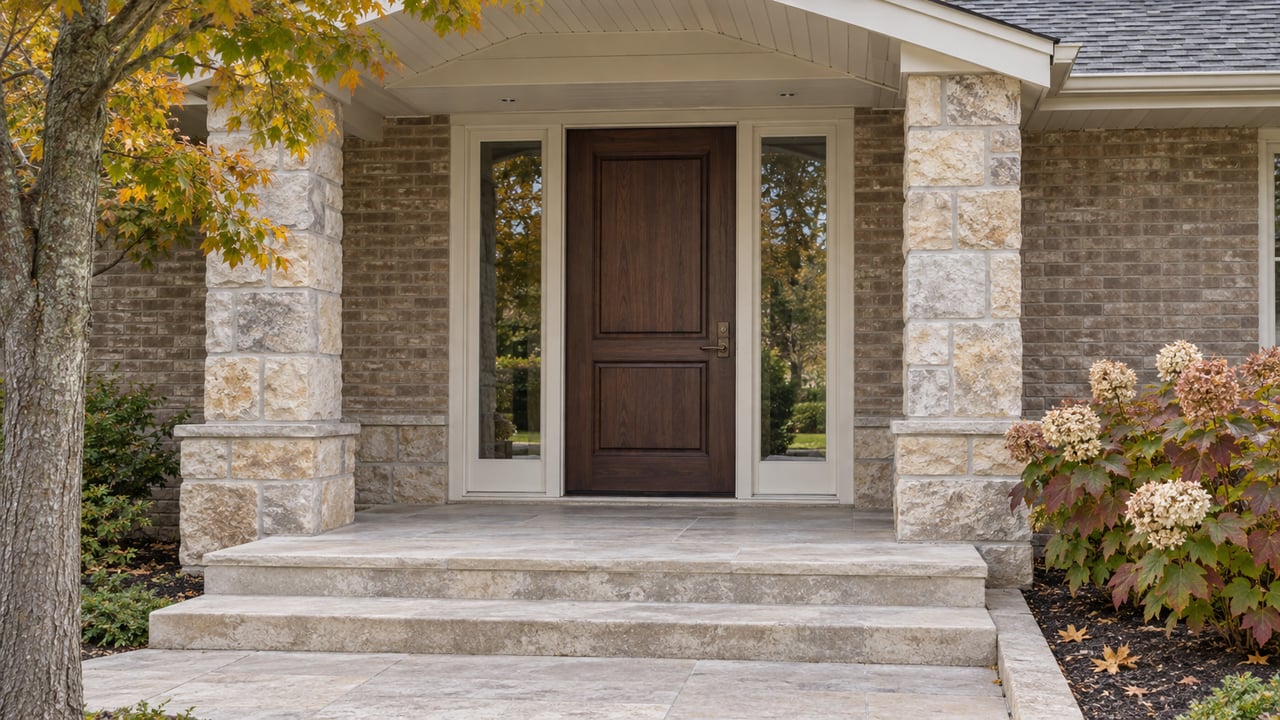
Colonial Revival homes favor symmetry and classical details. Think centered doors with sidelights, multi‑pane double‑hung windows, and brick or clapboard façades. The Granacki survey identifies Colonial Revival as one of Highland Park’s most common high‑style types.
If you prefer traditional layouts with defined living and dining rooms, this style fits well. Older systems sometimes need updates, so include HVAC, wiring, and insulation in your evaluation.
Prairie School
Prairie School design emphasizes strong horizontal lines, low‑pitched roofs with broad eaves, and bands of windows that connect you to the landscape. Wright’s Willits House is the local touchstone for the style and shows how built‑ins and open relationships between rooms shape daily life.
Buyers who value indoor and outdoor flow and fine woodwork often love Prairie homes. Original art glass and millwork can require expert repair, but the payoff is a distinctive, design‑forward home.
Craftsman and Bungalow
Craftsman and bungalow homes are modest in scale with hand‑crafted touches. Look for low gables, exposed rafter tails, tapered porch columns, and natural materials. Highland Park has examples in older, stable neighborhoods.
You get livable charm and a welcoming porch culture. Interiors can feel cozier, and kitchens or baths may need updates to today’s standards.
Late Victorian and Queen Anne
If you like character, late Victorian styles offer it in abundance. Expect asymmetrical massing, shingle textures, bays or a tower, and rich trim. Highland Park’s earliest houses include Italianate and Queen Anne variants around central corridors and historic parcels.
These homes suit buyers who want period detail and unique rooms. Exteriors tend to need more ongoing care, and layouts can be quirky compared with newer plans.
Mid‑century Modern and International Style
Mid‑century designs favor minimal ornament, open plans, and large panes of glass that flood rooms with light. For a quick primer on mid‑century modern features, think indoor and outdoor continuity and clean lines. Highland Park includes notable mid‑century houses by regional modernists and several well‑documented renovations.
If natural light and simplicity are your priorities, start here. Be ready to assess original glazing and mechanical systems. Renovations that respect proportions and daylight patterns tend to preserve value.
French Eclectic and Mediterranean
French‑influenced homes appear in Highland Park’s revival‑era neighborhoods. Steep or hipped roofs, brick or stone walls, and asymmetrical façades are common cues. Interiors often include formal entertaining rooms and a refined front elevation.
Buyers who want masonry exteriors and classic curb appeal will appreciate this look. Roof and masonry work can be costlier, so factor long‑term maintenance into your plans.
Contemporary custom and infill
Custom homes from the 1990s to today vary widely, from transitional to contemporary. You gain modern systems, improved insulation, and layout flexibility. In established areas, you will see new builds where older homes were replaced or larger lots were subdivided, which can prompt neighborhood scale conversations.
If you want move‑in efficiency and fewer near‑term projects, this path works well. Weigh tradeoffs like lot size, tree canopy, and how the new home relates to neighboring façades.
Where to see these styles
- Sheridan Road and the lakefront. Estate‑scale Prairie and revival homes, including Wright’s Ward W. Willits House nearby.
- Linden Park Place–Belle Avenue. A compact area with Victorian, Prairie, and revival styles side by side. See the Linden Park Place–Belle Avenue Historic District.
- Braeside and the southeast survey area. A documented mix of Colonial Revival, Tudor, International, and mid‑century examples in walkable blocks, noted in the Granacki survey.
- Ravinia District. An eclectic pocket near the festival grounds with cottages, early 20th‑century homes, and modern infill. Explore the Ravinia District overview for local context.
Choose the right style for your lifestyle
- Prefer classic formality and symmetry. Start with Colonial Revival, Tudor Revival, or French‑influenced homes.
- Want openness, daylight, and a strong site connection. Focus on Prairie School and mid‑century modern.
- Need low maintenance and modern systems. Look at newer custom and infill builds.
As you tour, keep a short list of non‑negotiables, natural light, layout flexibility, and outdoor space. Then match those to style traits so your shortlist feels focused.
Buyer tips for character homes
- Get a targeted inspection. Older homes benefit from specialists who can assess masonry, chimneys, older wiring, and original windows. This guide to buying a historic home outlines common checkpoints.
- Plan a realistic project budget. Balance character with comfort. Line‑item repairs or upgrades that preserve the look while improving performance.
- Understand local review. If a property is locally landmarked or within a district, exterior changes may require approvals. Ask the city building and preservation staff early.
Seller tips that highlight architecture
- Lead with provenance. Year built, architect if documented, and any district or landmark status can set your listing apart. Photograph daylight, built‑ins, and signature exterior details.
- Stage to let the home shine. NAR’s 2023 study on staging shows buyers value staged spaces. Focus on the living room, kitchen, and the primary bedroom. Keep décor light so the architecture reads clearly.
- Repair rather than replace when you can. The Secretary of the Interior’s Standards encourage repairing character‑defining features. If you must replace, match the original profile and material. Save documentation for buyers.
Your next step
When you know what to look for, Highland Park’s architecture becomes a clear guide to the right home or the right marketing plan. If you would like a curated tour by style, pricing guidance, or a plan to prepare your home for market, reach out to Sondra Douglass for local insight and polished, luxury‑level representation.
FAQs
What defines Tudor Revival homes in Highland Park?
- Steep gables, masonry or stucco with half‑timbering, tall narrow windows, and prominent chimneys are common, with many examples documented by the city’s architectural survey.
Where can you see Prairie School architecture locally?
- Along Sheridan Road and in select historic districts, including Wright’s Ward W. Willits House and other early 1900s works integrated with the landscape.
Are there mid‑century modern homes in Highland Park?
- Yes, Highland Park includes mid‑century and International Style residences with open plans, large glass, and minimal ornament, plus several thoughtful renovations.
What should you inspect when buying an older Highland Park home?
- Ask for specialists to review masonry, chimneys, wiring, and original windows, and build a budget for updates that balance performance with preservation.
If a home is in a historic district, what approvals might you need?
- Locally landmarked properties or homes in designated districts may need review for exterior changes, so consult city preservation staff before planning work.