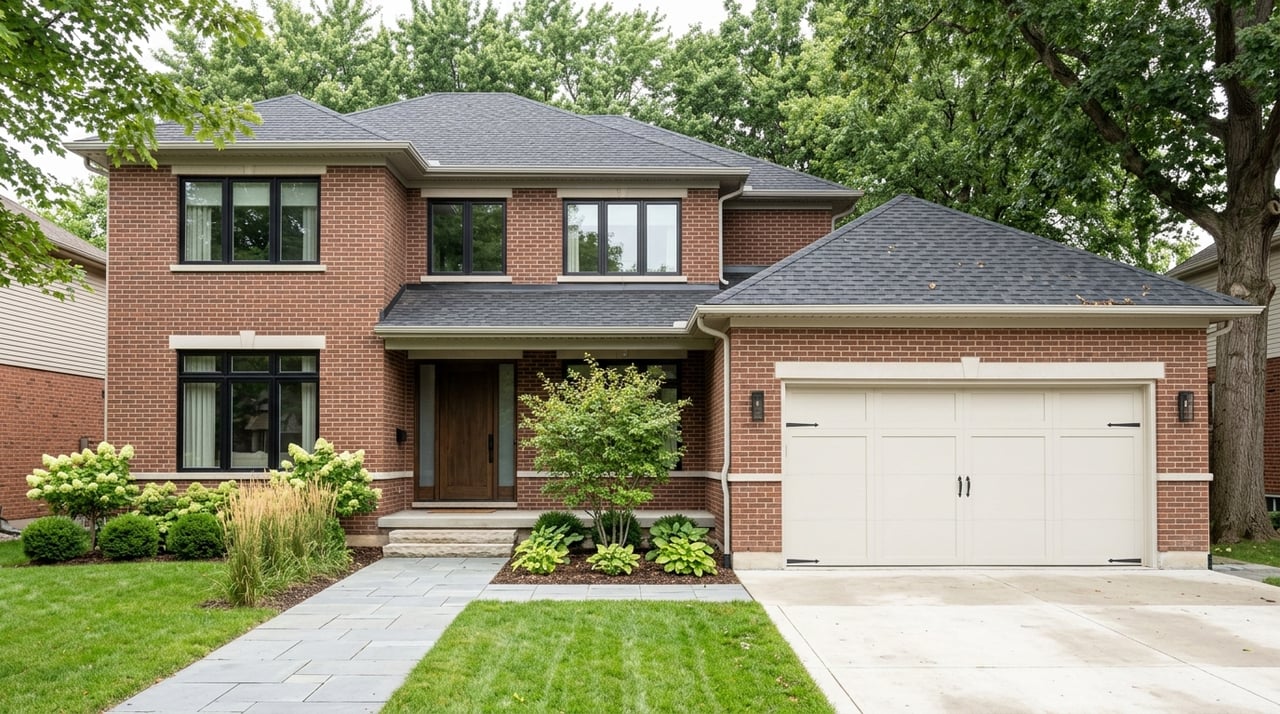
If you are thinking about investing in Libertyville homes, you are probably asking a smart first question: Will this market support long-term value? In a village where neighborhoods are largely built out, inventory growth is selective, and buyer demand is tied to commute access, parks, and established housing stock, the answer can be yes, but only if you buy with a clear plan. This guide will help you understand what makes Libertyville appealing, which property types may offer the best fit, and which local costs you need to underwrite carefully. Let’s dive in.
Why Libertyville draws interest
Libertyville stands out as a stable suburban housing market with strong owner occupancy and a high-income resident base. According to the U.S. Census QuickFacts for Libertyville, the village has an estimated population of 20,643, an owner-occupancy rate of 80.3%, and a median household income of $165,667.
Those numbers matter if you are evaluating long-term investment potential. They suggest a community where many households are buying for stability and lifestyle, not just short-term turnover.
Commuter convenience also supports demand. The village notes that downtown Libertyville is served by the Metra Milwaukee District North line and has access near I-94, I-294, I-90, and IL-53, which adds appeal for buyers and renters who want suburban living with regional connectivity.
Libertyville market snapshot
Home values in Libertyville sit in the upper end of many suburban buyers’ search ranges, which makes careful math especially important. Zillow reports an average home value of $589,497 as of February 28, 2026, while Redfin has recently placed the median sale price at $660,000 with homes taking about 58 days to sell and receiving about two offers on average.
The practical takeaway is that Libertyville is not a bargain-basement market, but it is also not an extremely fast, chaotic one based on the research provided. It appears to be a somewhat competitive market where thoughtful pricing, condition, and location still matter.
For investors, that can be a healthy setup. In a market like this, you may have room to make strategic decisions instead of chasing inventory at any cost.
Housing supply is limited
One of the biggest factors in Libertyville is limited detached-home supply. The village’s 2030 Comprehensive Plan states that residential neighborhoods are largely built out and there is limited developable land for detached single-family homes.
That matters because constrained supply can support long-term housing demand. It also means your investment opportunities may come more from resale, renovation, infill, or redevelopment than from broad new construction inventory.
Current planning activity supports that idea. The village’s Planning Division shows selective projects, including a detached-home and duplex proposal on Peterson Road and a multifamily project in the downtown core, which suggests future growth is likely to be targeted rather than widespread.
Property types to consider
Libertyville is not a one-size-fits-all investment market. The best fit often depends on your budget, timeline, and whether your goal is appreciation, rental income, or a future owner-occupied move.
Single-family homes
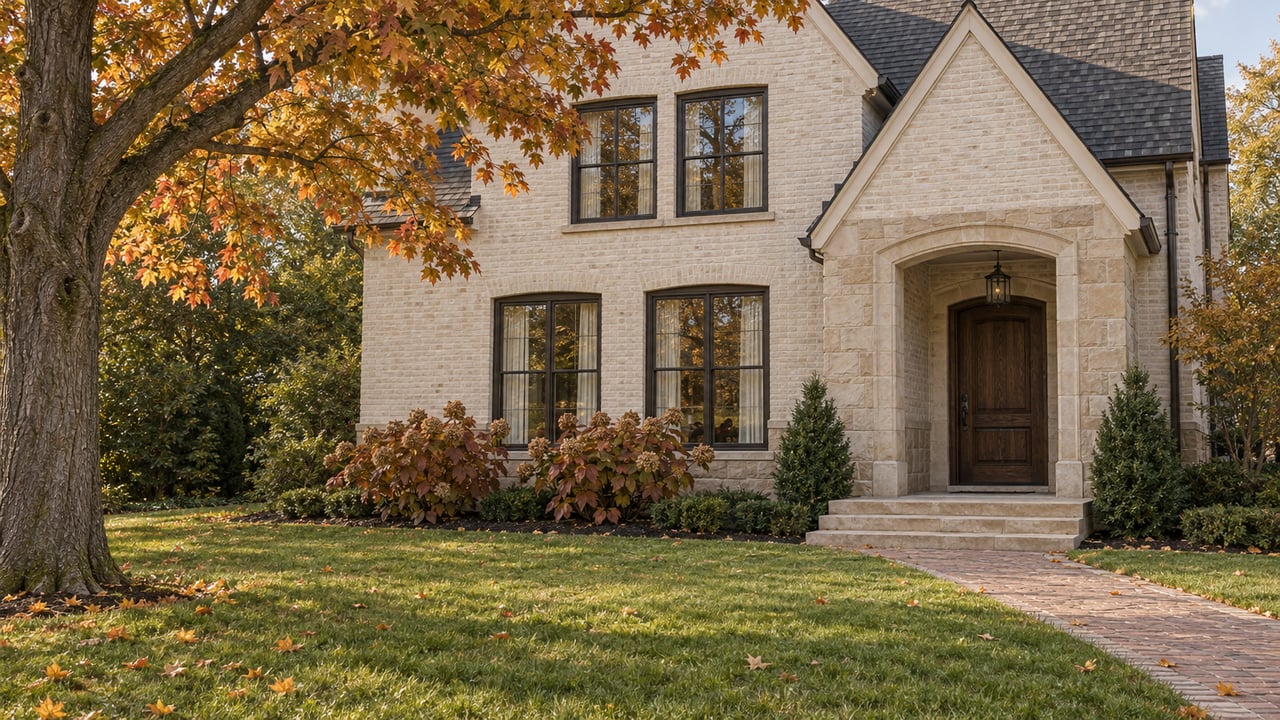
Single-family homes are the village’s predominant residential land use. The comprehensive plan describes many neighborhoods as post-World War II communities with Colonials, Cape Cods, Ranch homes, and Split-Level properties.
For many buyers, this is the clearest long-term play. A quality single-family home in a well-maintained area may align with Libertyville’s high owner-occupancy pattern and stable suburban demand.
If you are looking at a house as a rental, larger homes may also have stronger income potential than smaller apartment-style units. The rental data in the research report suggests houses and larger units can command materially higher rents than small apartments.
Downtown and near-downtown homes
The comprehensive plan points to older downtown and nearby neighborhoods with older vernacular homes and some tear-down activity. That can create opportunity, but it also raises the stakes.
If you are considering a renovation or redevelopment play, pay close attention to scope, finish quality, and resale positioning. In older housing stock, what looks like a cosmetic project can quickly become a larger capital investment.
Multifamily and higher-density options
The comprehensive plan notes that higher-density multifamily development is more likely near downtown, commercial corridors, and transit stations. It also says this housing type may fit young professionals, new households, empty nesters, and seniors.
That is useful if you are comparing product types. A condo, townhome, or multifamily-style investment near transit or downtown may appeal to a different segment than a larger detached home, so your strategy should match the likely user.
What rental demand may look like
Libertyville does not read like a highly transient rental market. Its owner-occupancy rate, commute profile, and established residential character suggest a more stable renter pool, especially for people looking for longer-term housing.
Rental estimates vary depending on the source and property type. Apartments.com rent trends in Libertyville report an average apartment rent of $1,523 per month as of March 2026, while the research report notes Zillow’s all-property average rent at $3,650 and Rentometer estimates ranging from about $1,900 for one-bedroom units to $5,252 for four-bedroom-plus homes.
That spread tells you something important. You should underwrite based on the exact property type you are buying, not on a broad market average.
In practical terms, Libertyville may be better suited to:
- Quality single-family rentals
- Larger units with practical commuter access
- Well-maintained homes positioned for longer-term occupancy
- Infill or downtown-adjacent properties with clear lifestyle appeal
Amenities that support value
A big reason Libertyville stays on buyers’ radar is its combination of daily convenience and established community assets. The village maintains 21 parks, more than 360 acres, and 11,000 public trees, which adds to the appeal of its residential environment.
Schools are also part of the demand story, especially for buyers evaluating long-term housing decisions. Libertyville School District 70 states that it serves about 2,100 students across four elementary schools and one middle school, while District 128 notes National Blue Ribbon recognition for Libertyville High School and Vernon Hills High School.
It is best to view these features as demand drivers rather than guarantees of investment performance. They can help explain why Libertyville continues to attract buyers and tenants seeking a well-established suburban setting.
Costs investors should not overlook
A strong purchase price is only part of the equation. In Libertyville, operating costs and compliance requirements can have a major impact on your returns.
Property taxes
Property taxes are one of the most important carrying costs to model carefully. The Lake County property tax overview explains that the county handles taxes for more than 200 taxing entities, with schools receiving about 69% of the average tax bill and Lake County government about 7%.
That structure helps explain why tax estimates deserve close attention before you make an offer. A property that looks attractive on price alone may feel very different once annual tax obligations are included.
Permits and inspections
The village requires permits for many common residential projects, including HVAC work, roofing, gutters, fences, patios, sewer repair, and tree removal. According to the village’s general permit information, permit fees are based on construction cost, inspections are required for permitted work, and a cash bond of $500 to $5,000 may apply.
If you are buying a fixer-upper or planning improvements after closing, this should be part of your budget from day one. New dwellings on vacant lots may also involve school and park donations.
Ongoing maintenance rules
Libertyville also enforces local property maintenance requirements covering issues like lawns, trash storage, parking on approved surfaces, snow placement, and tree trimming.
That means upkeep is not optional if you want to protect value and avoid problems. For owners and landlords alike, curb appeal and routine maintenance should be treated as part of the operating model.
Stormwater and site work
If your plan includes additions, hardscaping, or driveway changes, review drainage requirements early. The village’s stormwater ordinance notes that local Appendix P can apply to some projects that add 400 square feet or more of impervious surface.
That may affect both cost and timeline. It is especially important for investors pursuing value-add projects on older lots.
Be cautious with short-term rental assumptions
If you are considering a short-term rental strategy, verify the current rules before you buy. The village amended its hotel and motel tax code in 2022 after staff noted the presence of short-term rentals such as Airbnb and VRBO.
The takeaway is simple: do not assume a short-term rental plan will be easy to execute just because demand exists in other suburbs. Confirm current local requirements before you rely on that strategy in your underwriting.
A smart Libertyville investment approach
In many ways, Libertyville looks strongest as a long-term, lifestyle-driven investment market. Limited detached-home supply, strong commuter access, established neighborhoods, and consistent buyer appeal all support that view.
That said, success usually comes down to matching the property to the market. In Libertyville, that often means focusing on product type, condition, tax burden, permit requirements, and realistic rent expectations instead of chasing broad appreciation alone.
If you want help evaluating which Libertyville homes best fit your goals, Sondra Douglass offers local guidance rooted in North Shore market knowledge, personalized service, and a clear understanding of how lifestyle and investment factors intersect.
FAQs
What makes Libertyville real estate appealing for long-term investment?
- Libertyville offers limited detached-home supply, high owner occupancy, commuter access, established neighborhoods, and community amenities that can support steady long-term demand.
What types of homes are common in Libertyville?
- According to the village’s comprehensive plan, Libertyville’s housing stock includes many single-family Colonials, Cape Cods, Ranch homes, and Split-Level properties, with higher-density housing more likely near downtown and transit areas.
What should you budget for when buying an investment home in Libertyville?
- You should carefully model property taxes, permits, inspections, maintenance costs, and possible drainage or site-work requirements, especially if you plan to renovate or expand the property.
What does the Libertyville rental market look like?
- Rental pricing varies by property type, but the research suggests larger homes and single-family rentals may command materially higher rents than smaller apartments.
What should you know about short-term rentals in Libertyville?
- If you are considering a short-term rental strategy, confirm current local rules before buying because the village has addressed short-term rentals in its tax code and you should not assume the path is straightforward.
Is new housing supply expanding quickly in Libertyville?
- No. The research indicates that Libertyville is largely built out, with future housing growth more likely to come through selective infill and redevelopment rather than broad new detached-home construction.