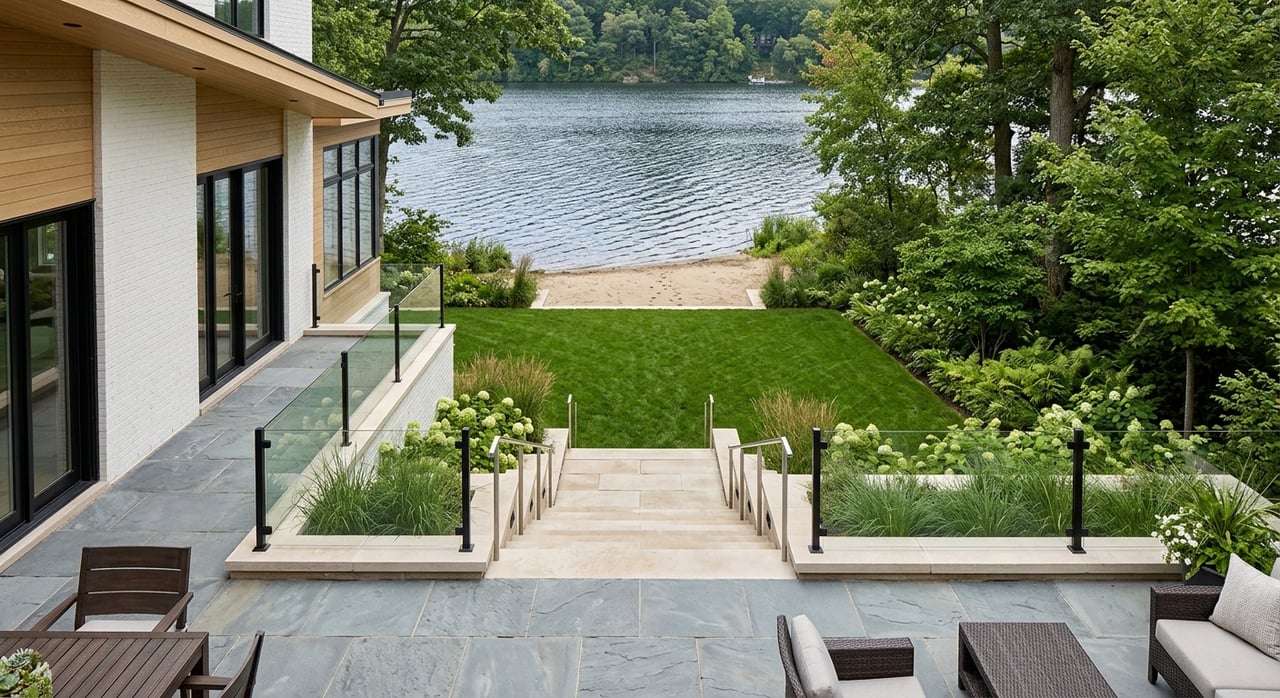
If you picture lakefront living as a once-in-a-while luxury, Highland Park may surprise you. Here, the shoreline can be part of your regular routine, whether that means a morning walk near the bluff, a summer beach stop, or heading out for boating after work. If you are wondering what everyday life near the water really looks like, this guide will walk you through the rhythm, access points, trade-offs, and lifestyle patterns that shape lakefront living in Highland Park. Let’s dive in.
What lakefront living means here
In Highland Park, lakefront living is not centered on one single beach. Instead, it is shaped by a broader public shoreline system that includes swimming, boating, walking paths, passive recreation, and nature access.
That variety is a big part of the appeal. Downtown sits less than one mile from Park Avenue Beach, and the Park District manages more than 750 acres across the city, including four lakefront properties and more than 350 acres of prairie, woodland, ravine, and wetland habitat. For you, that can mean more ways to use the lakefront throughout the week, not just on peak summer weekends.
Daily routines by the water
Rosewood Beach for swimming days
Rosewood Beach is Highland Park’s designated swimming beach. It includes a guarded swimming beach, nature cove, recreation beach, interpretive center, boardwalk, picnic tables, restrooms, and sand rinse stations.
In summer, this is the spot for traditional beach time. Lifeguards are on duty during swimming season, though hours can shift based on weather, water quality, crowds, and wave conditions. If swimming is a priority for your household, it is important to know that this is the only beach in Highland Park where swimming is permitted.
Park Avenue for boating access
If your ideal lake lifestyle involves being on the water rather than in it, Park Avenue Boating Facility is a key part of the picture. The facility supports powerboating, sailing, stand-up paddleboarding, kayaking, fishing, and boat storage.
That said, Park Avenue and the north beaches are non-swimming areas. Entry and parking also require lakefront parking decals or daily passes, so the convenience of nearby access still comes with some rules and planning.
Moraine Park for quieter use
Not every lakefront day has to revolve around crowds or structured activities. Moraine Park offers a more relaxed setting with a dog-friendly beach, passive recreation areas, a ravine path, walking path, sculpture garden, picnic tables, and a seasonal dog beach.
For many buyers, this kind of quieter access adds real value to everyday life. It gives you a place to walk, pause, or spend time outdoors without needing a full beach-day plan.
Millard Beach for passive shoreline time
Millard Beach is another passive, non-swimming beach area. It offers bluff access and limited amenities, which makes it feel different from a full-service swimming beach.
This is the type of spot that may appeal to you if you value scenic shoreline access more than programmed recreation. It is simple, quiet, and tied closely to the natural bluff landscape.
Fort Sheridan trails and overlooks
Openlands Lakeshore Preserve at Fort Sheridan broadens the idea of lakefront living even more. The preserve includes 71.55 acres, public trails, biking, hiking, birding, overlooks, and about one mile of shoreline.
It is important to note that swimming, wading, and boating are not allowed there. Still, for everyday use, the preserve adds a strong four-season option for walking, biking, and taking in the lake without the feel of a traditional beach destination.
The weekly rhythm of living nearby
Summer feels especially active
Summer is when Highland Park’s social calendar tends to feel busiest. City-run and city-promoted events include Food Truck Thursdays, Ravinia Farmers Market, Taste of Highland Park, Downtown Concerts at Port Clinton, Vintage Car Show, Stews & Brews, the Port Clinton Art Festival, the Bitter Jester Music Festival, and the Highland Park Chamber of Commerce Sidewalk Sale.
Ravinia is another major part of the seasonal rhythm. The city describes it as North America’s oldest outdoor music festival, with more than 140 events through the summer. If you enjoy combining outdoor living with a steady stream of events, that mix is part of what makes Highland Park distinct.
Downtown stays part of daily life
One of the practical advantages of Highland Park’s lakefront setting is that the shoreline and town center are not disconnected. Downtown is pedestrian- and cyclist-friendly, served by the Metra North line, and located less than one mile from Park Avenue Beach.
That means your daily routine can include both lake access and in-town convenience. You may be able to pair a walk near the lake with coffee, errands, dining, or a train commute without feeling like you are choosing one lifestyle over the other.
Outdoor options go beyond the shoreline
Even if you move to Highland Park for the lake, your routine is not limited to the beach. The city and Park District also highlight bike-friendly connections like the Robert McClory Bike Trail, along with inland nature access at Heller Nature Center, which includes three miles of trails and wheelchair-accessible crushed-stone routes.
That variety matters over time. It gives you shoreline options and woods-and-trails options within the same city, which can make everyday life feel more flexible year-round.
Housing near the lake
Expect a mix of home types
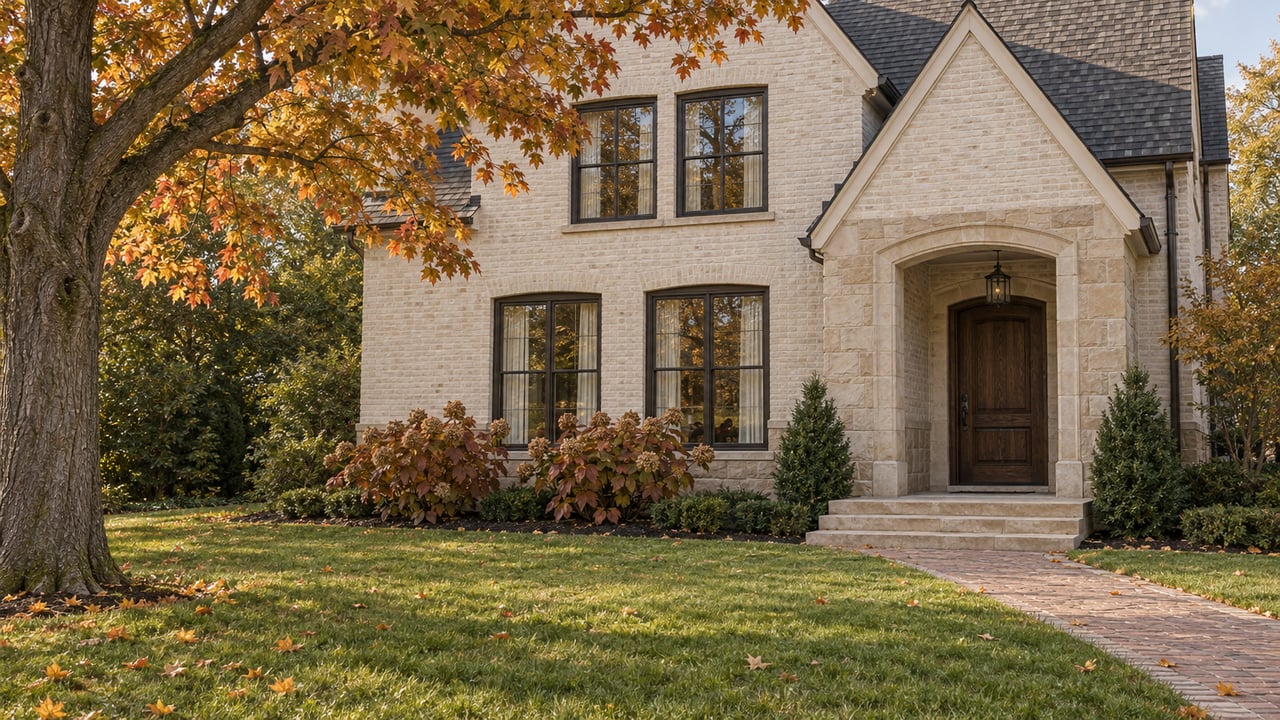
Highland Park’s housing near the water is not one uniform product. The city’s historic preservation plan describes the northeast survey area as having a rich mix of architectural styles, with many homes built between 1900 and 1928, including clusters along Moraine Road and the lakefront south of Moraine Park.
At the same time, downtown is described as the city’s growing multifamily residential area. For you as a buyer, that points to a range of possibilities, from older single-family homes to closer-in multifamily options and some lake-bluff properties.
Lifestyle fit matters as much as price
When buyers start focusing on lakefront living, it is easy to concentrate on views first. In practice, the better question is how you want to use the shoreline week to week.
If swimming access matters most, proximity to Rosewood may feel important. If boating is central to your lifestyle, Park Avenue may shape your search differently. If you care more about walking paths, dog-friendly areas, or quieter nature access, Moraine Park or Fort Sheridan-adjacent areas may feel like a better fit.
The trade-offs buyers should understand
Access comes with rules
Lakefront living in Highland Park offers variety, but it is not a free-form system. Lakefront parking decals are required for vehicles at lakefront parking lots, and Rosewood Beach access passes are required during swimming hours.
Park Avenue has its own boating and parking rules, and swimming is limited to Rosewood. For you, that means convenience often depends on knowing the access system and planning around seasonal rules.
Conditions can change day to day
A lakefront lifestyle also means staying flexible. At Rosewood, beach hours may change based on weather, water quality, crowds, and wave conditions.
That may not be a drawback for every buyer, but it is part of the reality. If you want predictable daily swimming access, it helps to understand that natural conditions can shape how the shoreline is used.
Shoreline ownership can mean added upkeep
For bluff or shoreline properties, maintenance is another important part of the picture. The Park District has documented erosion-control work at Rosewood and temporary bluff-path closures at Millard due to erosion and unstable conditions.
That does not diminish the appeal of living near Lake Michigan, but it does add context. The value of the setting comes with a landscape that needs ongoing care and attention.
How Highland Park stands out
Compared with nearby North Shore communities, Highland Park offers a notably varied shoreline experience in one city. Based on city and park district descriptions, you can move from a designated swimming beach to a boating facility to dog-friendly and passive beaches to bluff-top preserve trails without leaving the broader shoreline area.
That variety is what often defines the lifestyle here. It feels less about one signature beach and more about having multiple ways to enjoy the lake depending on the day, season, and pace you want.
Is Highland Park lakefront living right for you?
If you want a shoreline lifestyle that blends recreation, scenery, and practical access to downtown, Highland Park offers a compelling mix. You can build a routine around swimming, boating, walking, biking, concerts, and everyday errands without treating the lake as a special-occasion destination.
The right fit depends on how you want to live. If you are weighing older homes, multifamily options, bluff settings, or walkable locations near the water, having local guidance can help you focus on the areas that match your goals and everyday habits.
If you are considering a move in Highland Park or anywhere along the North Shore, Sondra Douglass can help you evaluate lifestyle fit, neighborhood options, and the details that matter most in your home search.
FAQs
Where can you swim at the Highland Park lakefront?
- Rosewood Beach is the only designated swimming beach in Highland Park. Park Avenue and the north beaches are non-swimming areas.
Is Highland Park lakefront usable year-round?
- Yes. Swimming is seasonal, while trails, overlooks, walking routes, biking areas, and passive recreation spaces remain part of the lifestyle across the year.
Is Highland Park lakefront living walkable?
- In many areas, yes. Downtown Highland Park is pedestrian- and cyclist-friendly and sits less than one mile from Park Avenue Beach, though parking decals and access passes are still part of the lakefront system.
What types of homes are near the lake in Highland Park?
- The area includes a mix of housing, including older single-family homes, some lake-bluff properties, and multifamily living closer to downtown.
What should buyers know about Highland Park lakefront access?
- Buyers should know that swimming is limited to Rosewood Beach, lakefront parking decals are required for parking lots, and some areas have separate boating or entry rules depending on use and season.