Selling a historic home in Lake Forest is not the same as selling just any house. Buyers in this market often notice the details that make an older property special, from original materials to the story behind the home’s architecture and setting. If you are getting ready to list, a thoughtful plan can help you protect that character, avoid delays, and present your home with confidence. Let’s dive in.
Why historic homes need a different plan
Lake Forest has a strong preservation culture, and that shapes buyer expectations. The Lake Forest Historic District is listed on the National Register of Historic Places, and the City of Lake Forest notes that significant historic structures in the community include single-family homes dating back to 1846.
This is also a high-value, owner-occupied market. Census QuickFacts for 2024 show an 88.8% owner-occupied housing rate and a median value of $938,300 for owner-occupied homes. In practical terms, that means many buyers expect a historic home to offer both authenticity and a clear record of its condition and updates.
Confirm historic status early
Before you start repairs or cosmetic work, find out whether your property is subject to local historic review. Lake Forest established its historic preservation ordinance and Historic Preservation Commission in 1998, and the city identifies the East Lake Forest District, Green Bay Road District, Vine/Oakwood/Green Bay Road District, and local landmark properties or districts.
This matters because exterior changes may require review before permits move forward. If you wait until just before photography or your launch date, even a well-intended improvement can create timing issues.
Check whether a Certificate of Appropriateness applies
Under Lake Forest Code §155.07, a Certificate of Appropriateness is required for new construction, demolition, replacement structures, visible additions, exterior alterations, interior alterations to an interior landmark, and building scale variances. The Community Development Department does not act on the permit until the Historic Preservation Commission has reviewed the work and issued the certificate.
If you are planning any pre-list work that changes exterior features, scale, or site elements, confirm the rules first. That one step can save you from expensive rework and unnecessary listing delays.
Focus on repair over replacement
One of the biggest mistakes sellers make is over-modernizing a historic home before it hits the market. In Lake Forest, the city’s preservation standards favor repair over replacement and authenticity over imitation period details.
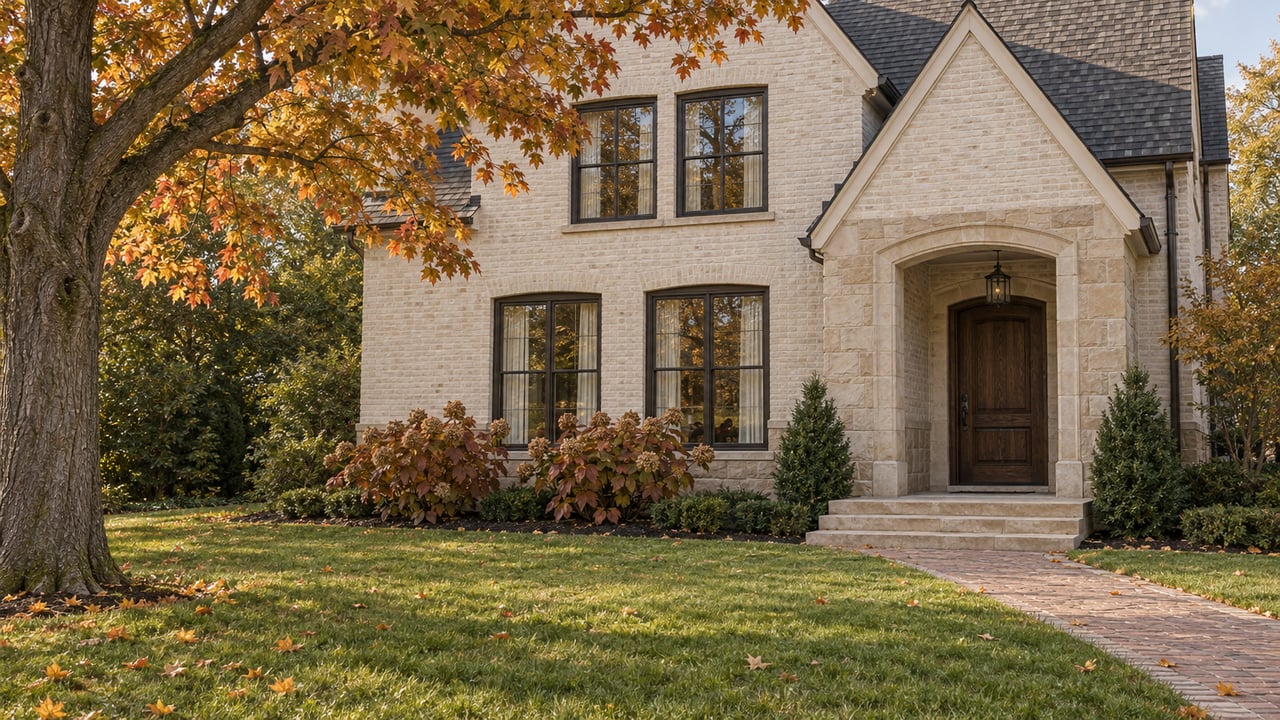
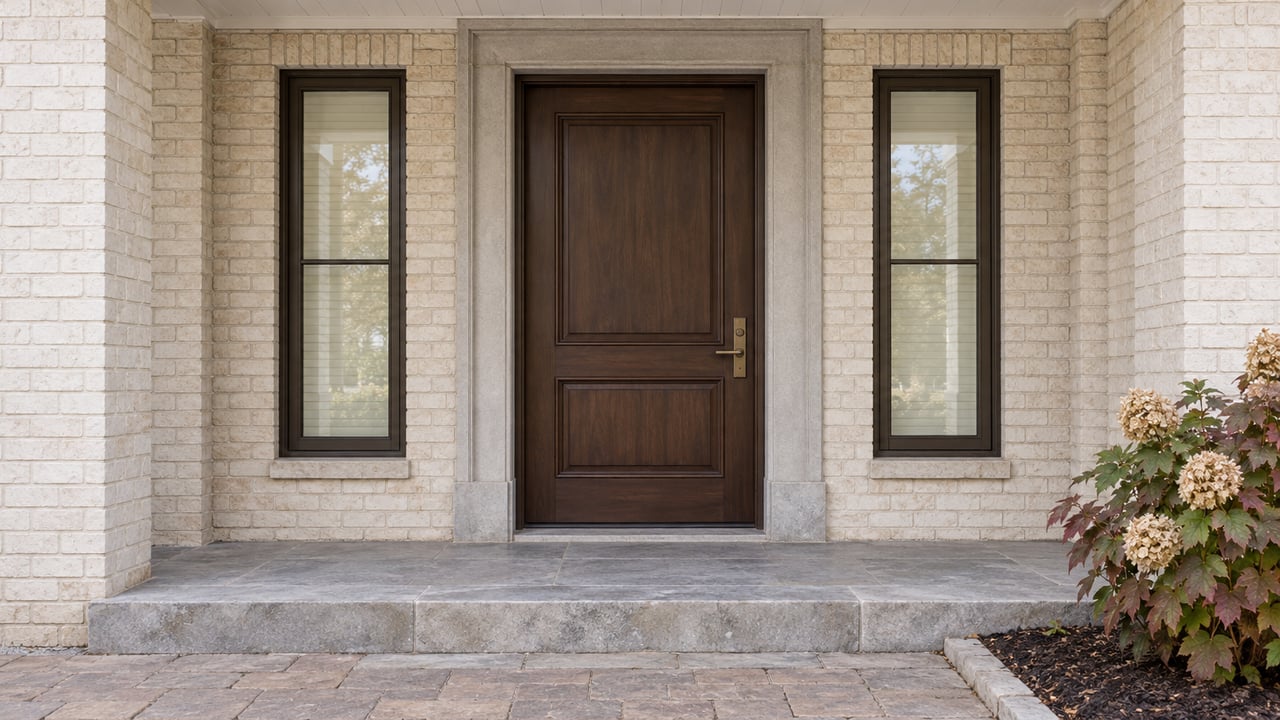
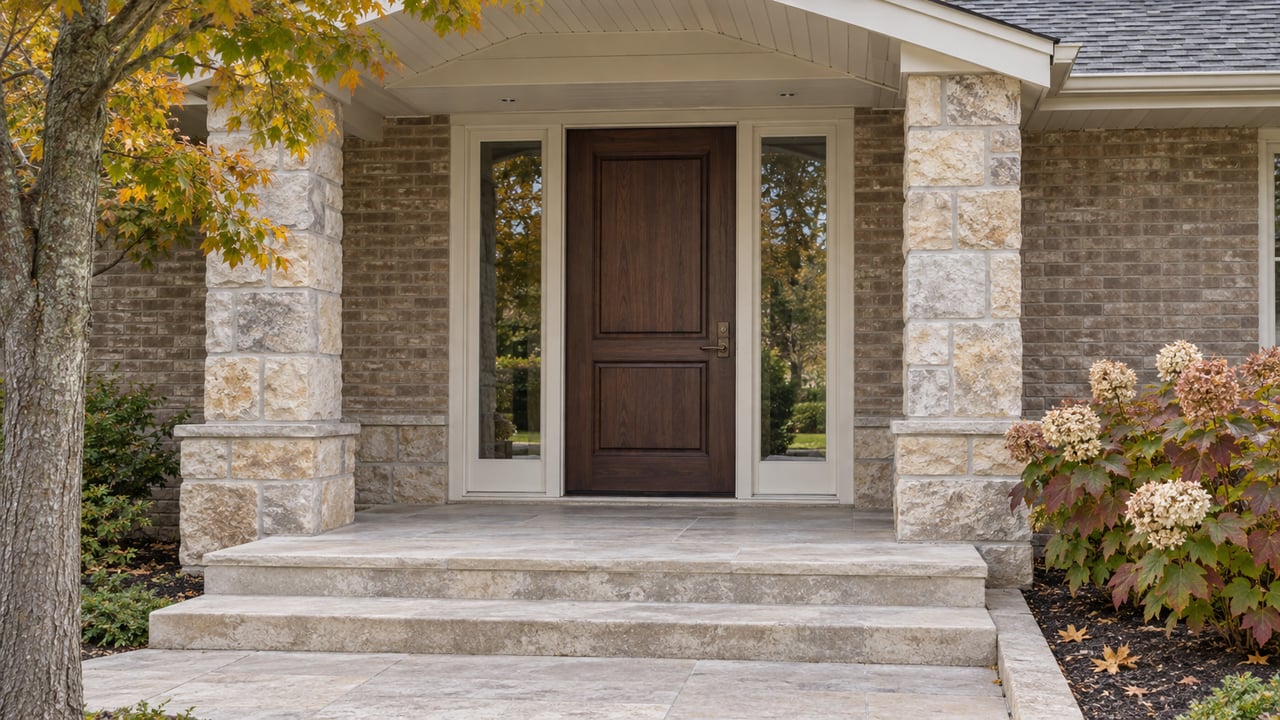
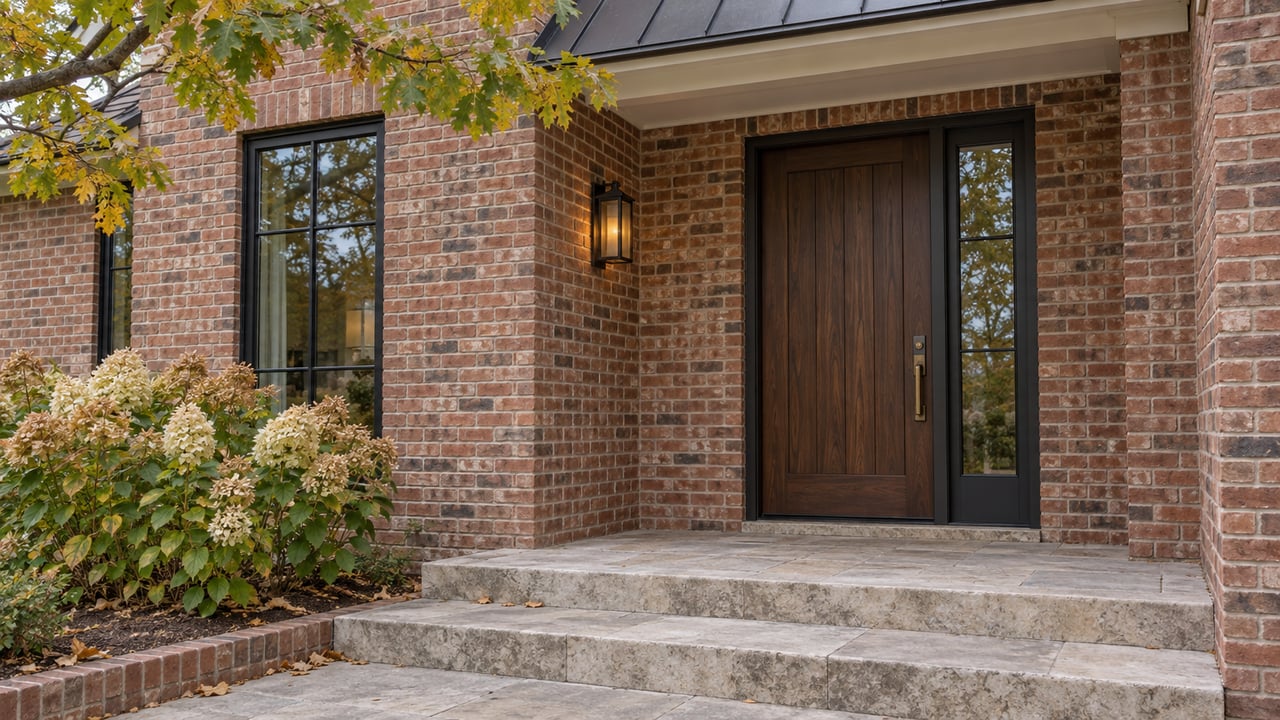
The city strongly encourages natural materials and specifically lists materials such as stone, brick, wood clapboard, wood shingle, cementitious stucco, slate, clay tile, copper gutters, and bluestone patios. When historic features have deteriorated, the standards say they should be repaired rather than replaced when possible. If replacement is necessary, the new work should match the old in design, color, texture, and materials.
What buyers often value most
In a historic Lake Forest home, the strongest presentation usually comes from highlighting original character instead of covering it up with generic finishes. That can mean revealing woodwork, preserving masonry, refreshing porches, and showcasing built-ins instead of trying to make everything look brand new.
The city’s standards also note that later alterations can become historically significant in their own right. They discourage conjectural details borrowed from another building or time period. In simple terms, buyers usually respond better to honest character than to a forced “historic look” that is not true to the house.
Treat the site as part of the home’s value
For many historic properties in Lake Forest, the lot and setting are part of the appeal. The city’s application materials include review items such as terraces, driveways, grading, trees, impervious surface, and landscape plans.
That is a helpful reminder for sellers. Your preparation plan should not stop at the front door. Mature landscaping, traditional hardscape, and the relationship between the house and the site can all shape how buyers experience the property.
Smart pre-list exterior priorities
Before listing, it often helps to look at the outside of the home with fresh eyes. Focus on condition, care, and consistency with the home’s architectural character.
A practical checklist may include:
- Repairing, not replacing, original materials where feasible
- Cleaning exterior surfaces gently rather than using harsh methods
- Refreshing paint or finishes only where appropriate to the home
- Tidying terraces, walks, and drive areas
- Pruning or maintaining landscaping to frame the house, not hide it
- Organizing records for any past approved exterior work
The city specifically rejects damaging cleaning methods such as sandblasting. If masonry or older exterior materials need attention, a gentle approach matters.
Build extra time into your selling timeline
Historic homes often need more lead time than newer properties. Lake Forest’s application packet is detailed, and the city strongly encourages pre-application meetings.
The required materials can include an application form, exterior materials form and samples, statement of intent, plat of survey, site plan, tree survey, landscape plan, grading plan when needed, and a building scale workbook for additions or new construction. For demolition, the packet requires even more documentation, including a written demolition statement, a historic preservation consultant report, an independent structural engineer evaluation, a massing model, and overlay drawings.
Why timing matters before listing
The city says applications are submitted online, footprints for new residences and additions must be staked at least two weeks before the meeting, and a hearing is set within 60 days after a complete application is received. If your pre-list work could trigger review, that timeline should be part of your listing strategy from day one.
This is one reason historic-home sellers benefit from a plan that starts early. Photography, staging, and launch timing all work better when the paperwork and approvals are already in order.
Gather the documents buyers will ask for
A well-prepared document file can make a major difference once your home is on the market. Historic-home buyers often have detailed questions, and quick, organized answers help build trust.
For a near-term listing, the most useful file usually includes prior permits, Certificate of Appropriateness approvals, inspection reports, survey and plan sets, contractor invoices, preservation paperwork, and any lead or radon records. Having these materials ready can reduce surprises during attorney review and inspection negotiations.
Include a clear history of work completed
If you have completed repairs, restoration, or exterior improvements over time, gather anything that helps explain what was done and when. This can help buyers understand the care that has gone into the property.
If the property has been documented for landmark status or district files, Lake Forest’s nomination materials ask whether the home appears in the Historic Resources Survey or in a local or national district, along with photos of major facades and significant details. Even if formal designation is not part of your sale, this kind of background can support the home’s story.
Prepare for disclosures and inspections
Historic charm does not replace disclosure requirements. Illinois law still requires sellers to provide the Residential Real Property Disclosure Report before signing the contract and to supplement it before closing if a prior disclosure becomes inaccurate.
The statute requires sellers to disclose material defects of which they have actual knowledge. Some estate-related transfers are exempt, including transfers ordered by a probate court in estate administration and fiduciary transfers in the course of administering a decedent’s estate.
Lead-based paint for older homes
If your home was built before 1978, lead-based paint rules may apply. The federal rule generally requires sellers of most private housing built before 1978 to disclose known lead-based paint hazards, provide the required lead-hazard pamphlet, and give buyers time to conduct a lead inspection.
EPA also notes that about three-quarters of U.S. homes built before 1978 still contain some lead-based paint. If renovation work has disturbed older painted surfaces, organized records can be especially helpful.
Radon is worth checking
Radon should also be part of your pre-list review, especially in an older home with a basement or past foundation work. The Illinois Department of Public Health says the only way to determine a home’s radon level is to test.
IDPH also notes that central and northern Illinois have higher radon levels in soil, and that 41% of Illinois homes tested were above the 4.0 pCi/L action level. Illinois law requires buyers to be informed about indoor radon exposure, and if a property has been tested, the results must be disclosed.
Stage for authenticity, not sameness
Historic homes usually show best when the presentation supports their real identity. In Lake Forest, that often means a cleaner, lighter, more edited version of the home you already have, rather than a full redesign that erases period detail.
Aim to make the home feel cared for, spacious, and easy to understand. Let original millwork, windows, fireplaces, stair details, and built-ins stand out. Keep furnishings simple enough that buyers can see the architecture clearly.
A strong listing story matters
A historic home sale is also a storytelling opportunity. Buyers want to understand what makes the property special, what has been preserved, and what has been thoughtfully improved.
That story is stronger when it is backed by facts, documentation, and polished marketing. In a market like Lake Forest, thoughtful preparation can help your home attract the right buyers and support a smoother path from listing to closing.
If you are thinking about selling a historic Lake Forest home, the right preparation can protect value and make your launch feel far less stressful. For personalized guidance, polished marketing, and local insight tailored to your property, connect with Sondra Douglass.
FAQs
What makes preparing a historic Lake Forest home for sale different?
- Historic homes in Lake Forest often require more planning because buyers expect authenticity, condition, and documentation, and some exterior changes may be subject to local historic review.
Does a Lake Forest historic home always need a Certificate of Appropriateness?
- Not always, but Lake Forest Code §155.07 requires a Certificate of Appropriateness for certain work, including visible additions, exterior alterations, replacement structures, demolition, and some other changes.
What updates should you make before listing a historic home in Lake Forest?
- In many cases, the best pre-list work focuses on repair over replacement, preservation of original materials, gentle cleaning methods, and improvements that respect the home’s architectural character.
What documents should sellers gather for a historic Lake Forest home?
- Useful records often include prior permits, Certificate of Appropriateness approvals, inspection reports, surveys, plan sets, contractor invoices, preservation paperwork, and any lead or radon documentation.
Do older Lake Forest homes need lead paint disclosure?
- If the home was built before 1978, sellers of most private housing generally must disclose known lead-based paint hazards, provide the required pamphlet, and allow time for a buyer lead inspection.
Should you test radon before listing a historic home in Illinois?
- Testing can be a smart step because the Illinois Department of Public Health says the only way to know a home’s radon level is to test, and any existing test results must be disclosed to buyers.