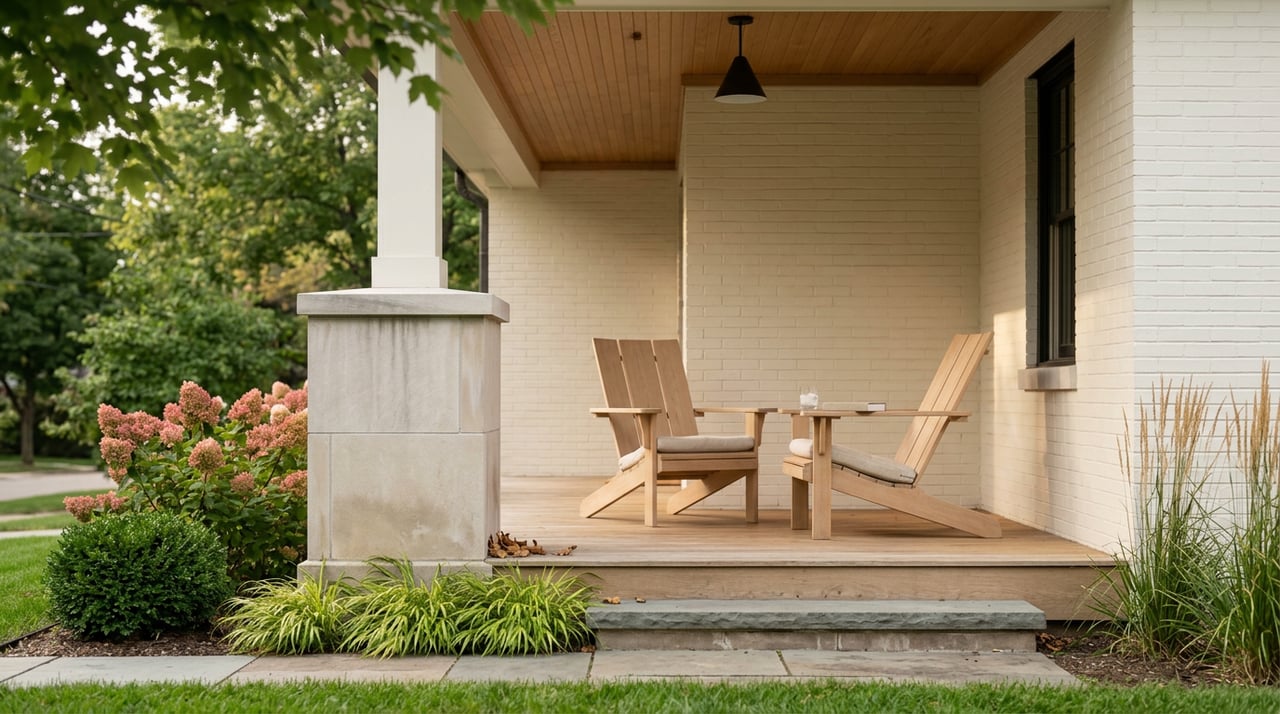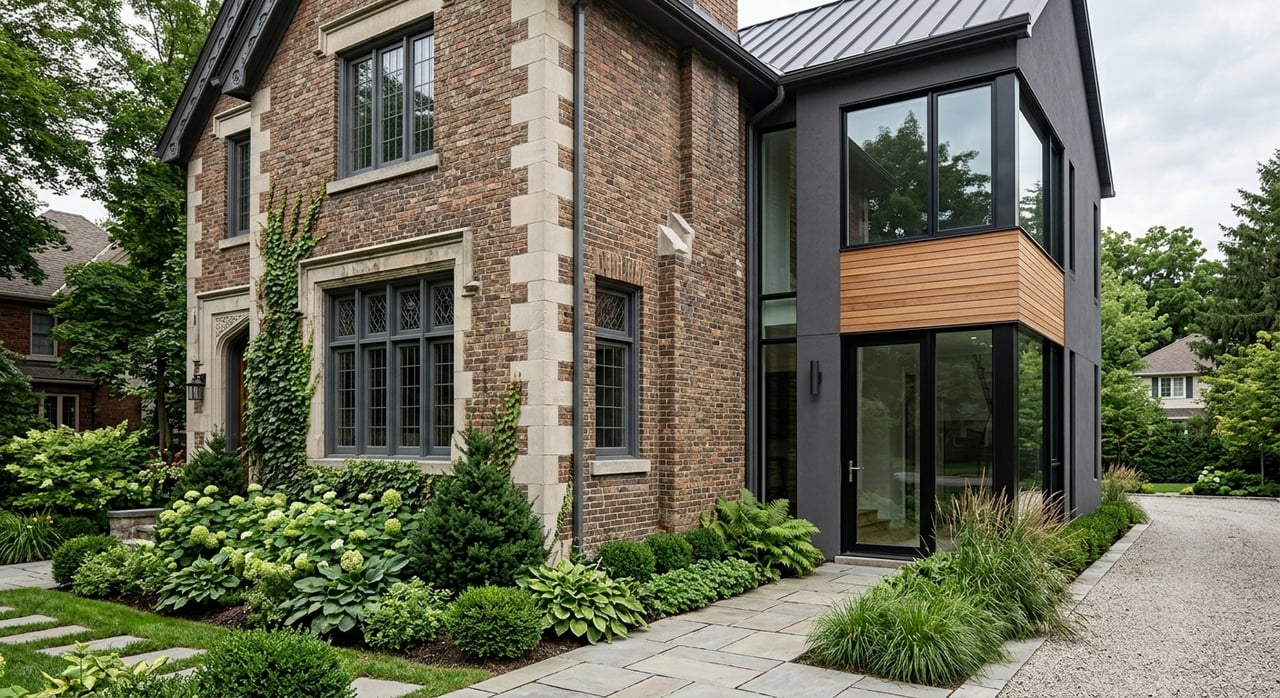
If you have ever wondered why two Highland Park homes with similar square footage can sell at very different price points, you are not imagining it. Highland Park is not one simple housing market. It is a collection of smaller micro-markets shaped by geography, zoning, architecture, and access to daily conveniences. If you are buying or selling here, understanding those differences can help you price more accurately, compare homes more wisely, and make stronger decisions. Let’s dive in.
Why Highland Park Works Like Multiple Markets
Highland Park’s housing market is best read as several overlapping submarkets rather than one citywide pool. The city’s zoning map includes single-family districts with minimum lot sizes ranging from 130,680 square feet down to 7,000 square feet, along with special overlays for lakefront areas, small lots, and Roger Williams.
That matters because home value here is tied to more than bedroom count or total square footage. A property’s setting near Lake Michigan, a ravine, a Metra station, a business district, or within a specific zoning pattern can shape demand just as much as the house itself.
This is also why a citywide median can be misleading. It blends very different property types, lot sizes, and buyer priorities into one number, even though buyers and sellers are often competing within much narrower segments.
What Drives Price Differences
Geography and topography
In Highland Park, land often drives value as much as the structure on it. Lakefront, bluff, and ravine properties are especially site-specific because views, privacy, and scarcity can carry major weight for buyers.
At the same time, those same features can bring extra review steps and design limitations. The city’s guidance for lakefront and ravine areas notes that properties in these settings may need to comply with steep-slope requirements, which can affect renovation plans and future improvements.
Access and convenience
Another major pricing factor is access to activity centers. The city’s official maps identify distinct hubs around the Central Business District, Ravinia, and Braeside, which helps explain why homes near stations, parking, retail, and civic destinations can behave differently from homes farther inland.
For some buyers, convenience and walkability outweigh lot size. That is especially true in areas where access to the Metra station, downtown services, and neighborhood business districts adds daily value.
Zoning and housing type
Highland Park also has a wide spread in lot-area requirements and housing formats. The zoning map shows single-family districts stepping through 20,000, 12,000, 10,000, 7,260, and 7,000 square foot minimums, while multi-family districts go much lower on a per-unit basis.
That range helps explain why detached homes, townhomes, condos, and smaller-lot properties often move in different price tiers. They are not always competing for the same buyer, even when they sit within the same city.
Architecture and change potential
In some parts of Highland Park, what you can do with a home after closing matters almost as much as the home’s current condition. The city notes that most exterior alterations, construction, demolition, or removal affecting a local landmark are reviewed by the Historic Preservation Commission.
That can shape buyer demand. Two homes may look similar on paper, but the one with fewer design constraints may appeal to a different audience than one in a more preservation-focused setting.
Highland Park’s Key Micro-Markets
Lakefront, bluff, and ravine homes
This is one of the most distinct and site-driven parts of Highland Park. The city’s zoning map includes a Lake Front Density & Character Overlay Zone, and city guidance for these areas focuses on preserving ravines, bluffs, and steep slopes.
For buyers, these homes often stand out because of views, privacy, and limited supply. For sellers, it means your property may need to be evaluated on setting and land characteristics as much as on interior updates or room count.
This is also a reminder that not all luxury inventory is interchangeable. A lakefront or ravine property often belongs in its own comparison set because the land itself is a major part of the value story.
Fort Sheridan
Fort Sheridan is its own niche market on Highland Park’s north edge. It combines lakefront topography, a National Historic Landmark setting, and a preservation-oriented framework that makes it materially different from most inland neighborhoods.
The area includes a 317-acre preserve with public access to Lake Michigan and a 70-foot bluff, and the state’s cultural resource plan highlights the site’s historic buildings, views, and landscape character. That combination creates a very specific buyer appeal.
If you are comparing Fort Sheridan to another part of Highland Park, be careful. Its historic architecture, bluff-top setting, and architectural and landscape guidelines mean it often behaves more like a specialty market than a standard neighborhood.
Downtown Central Business District
Highland Park’s Central Business District is the city’s most transit-oriented and convenience-driven residential node. The city’s parking map centers this area around City Hall, the public library, the Metra station, Port Clinton Square, Renaissance Place, the Water Tower, and the Art Center.
Homes near the CBD often compete on access and ease of living. Buyers may place a premium on being close to downtown services, the train, and public parking, even when lot sizes are smaller than in estate-style sections of the city.
This is one reason downtown homes should not be measured only against larger inland properties. In this micro-market, convenience can be a major part of value.
Ravinia and Roger Williams corridor
Ravinia is another clear micro-market, but it does not behave exactly like downtown. The city’s Ravinia Business District plan describes the Roger Williams Avenue corridor as a mixed-use neighborhood with a strong pedestrian and cyclist orientation, tied closely to the Ravinia Metra station, Brown Park, Jens Jensen Park, and nearby residential streets.
That planning context matters because it shows Ravinia as a destination district, not just a nearby address. Homes in and around this corridor can benefit from village-scale convenience and strong neighborhood identity.
For buyers, this can make smaller lots feel more compelling if walkability and station access are priorities. For sellers, it reinforces the need to price against nearby homes with the same access pattern, not just homes elsewhere in Highland Park.
North Central, Highlands, and Centennial Park
The North Central District, often called the Highlands and Centennial Park area, has a very different housing story. According to the city’s neighborhood plan, the area developed in stages, with 1920s Tudor homes followed later by postwar housing south and west of the original subdivision.
That layered history gives this area a mix of older character homes, mature trees, and later mid-century housing stock. It is a useful example of how architectural variety within one district can still create a recognizable submarket identity.
When pricing or comparing homes here, age, style, and block-by-block character can matter a great deal. This is not a one-size-fits-all neighborhood segment.
Smaller-lot and attached housing areas
Some of Highland Park’s most important market differences come from housing type. The zoning map makes clear that smaller-lot districts and attached housing occupy a separate place in the city’s housing ecosystem.
That distinction shows up in current market data. In May 2026, detached single-family homes in Highland Park had a median sales price of $970,000, sold in 24 days on average, and achieved 107.2% of original list price on average. Attached single-family homes had a median sales price of $311,000 and averaged 53 days on market, although the MLS report notes that one month of attached-home data can look more extreme because the sample is small.
The takeaway is simple: condos, townhomes, and attached homes should not be priced or evaluated as if they are part of the same market as detached homes. They serve a different demand tier.
Why Citywide Numbers Can Mislead
Broader citywide reports can be useful for context, but they should not be your only benchmark. Redfin’s April 2026 citywide report shows a median sale price of $768,603, around three offers per home on average, and a median of 40 days on market.
Those numbers are helpful at a glance, but they blend together attached and detached homes, larger and smaller lots, and very different locations across the city. That is why a broad median can tell you what the city is doing overall, while still telling you very little about a specific home on a specific street.
If you are buying, the best comparison set is usually the same property type in the same micro-market. If you are selling, the most accurate pricing strategy comes from nearby sales with similar zoning, lot size, access, topography, and possible renovation constraints.
How Buyers Can Use Micro-Market Thinking
If you are searching in Highland Park, start by narrowing your search beyond price and bedroom count. Focus on the setting and lifestyle factors that matter most to you.
Ask questions like these:
- Do you want lakefront or ravine character, or would that add more site complexity than you want?
- Is walkability to the Metra station or business districts a top priority?
- Would you prefer a larger lot, or is a smaller-lot home in a more convenient location a better fit?
- Are you comfortable with possible historic or exterior review requirements in some areas?
When you compare homes this way, you get closer to the real market you are shopping in. That makes your decisions more grounded and helps you avoid overreacting to broad citywide data.
How Sellers Can Price More Accurately
For sellers, Highland Park’s segmentation is just as important. A pricing strategy built from the wrong comparison set can leave a home sitting too long or priced below what its micro-market supports.
The strongest pricing approach usually looks at:
- Similar property type
- Similar lot size and zoning context
- Similar location relative to lakefront, ravines, downtown, or Ravinia
- Similar architecture and likely buyer appeal
- Similar renovation or preservation considerations
In a city with multiple price ecosystems, precision matters. The better your comparison set, the better your pricing and marketing strategy will be.
Highland Park rewards local context. Whether you are buying your first home, moving across the North Shore, or preparing to sell a high-value property, understanding the city’s micro-markets can help you see the market more clearly and act with more confidence.
If you want help understanding how your home or target neighborhood fits into Highland Park’s market, Sondra Douglass can help you evaluate the right comparison set and next steps.
FAQs
Why do similar-size Highland Park homes have different prices?
- Similar-size Highland Park homes can price very differently because lot size, zoning, lakefront or ravine setting, access to business districts or Metra, and preservation considerations can all affect demand and value.
Are downtown Highland Park and Ravinia the same housing market?
- No. The city maps them as distinct business districts, and Ravinia has its own corridor-focused plan, so nearby homes often compete on different access patterns and neighborhood dynamics.
Is Fort Sheridan a separate Highland Park micro-market?
- Yes. Fort Sheridan stands apart because of its historic landmark setting, bluff-top geography, preserve access, and architectural and landscape guidelines.
Are attached homes and detached homes priced the same in Highland Park?
- No. Recent MLS-derived city data show a much lower median sales price and longer average market time for attached single-family homes than for detached single-family homes.
What is the best way to compare Highland Park homes?
- The most useful comparison is usually the same property type in the same micro-market, with attention to zoning, lot size, topography, access, and any design or renovation constraints.